



Planning to visit Jerusalem for Easter 2026 and wondering what it’s really like on the ground?
This guide walks you through the dates, main ceremonies, key locations, who it suits, how it usually works each year, and how to plan your trip so you can actually enjoy the experience instead of just battling the crowds.
What is Easter in Jerusalem?
Easter is the Christian festival commemorating the resurrection of Jesus. Experiencing it in Jerusalem means celebrating the story in the very places where it unfolded, the streets of the Old City of Jerusalem, the slopes of the Mount of Olives, and the churches and gardens that recall the last days of Jesus’ life.
In Jerusalem, you’ll see two overlapping Easter seasons:
- Western (Catholic & Protestant) Easter - Using the Gregorian calendar.
- Eastern Orthodox Easter - Using the Julian calendar, typically one week later.
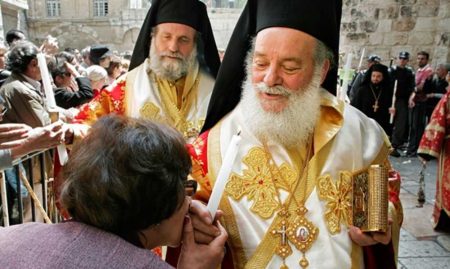
The result is a full two weeks of processions, vigils, midnight services, and ancient ceremonies, all against the backdrop of springtime in the city.
When is Easter in Jerusalem in 2026?
In 2026, Easter in Jerusalem spans late March to mid-April, with two main peaks of activity.
Western Holy Week & Easter 2026 (Catholic & Protestant)
- Palm Sunday: Sunday, 29 March 2026
- Maundy Thursday: Thursday, 2 April 2026
- Good Friday: Friday, 3 April 2026
- Holy Saturday: Saturday, 4 April 2026
- Easter Sunday: Sunday, 5 April 2026
Orthodox Holy Week & Easter 2026
- Orthodox Holy Week: Monday–Saturday, 6–11 April 2026
- Holy Fire Ceremony (Orthodox Holy Saturday): Saturday, 11 April 2026
- Orthodox Easter Sunday: Sunday, 12 April 2026
Overlap with Passover 2026
In 2026, Jewish Passover runs approximately from the evening of 1 April to 9 April 2026. That means:
- The city will be extremely busy with Christian pilgrims and Jewish families at the same time.
- Hotel prices rise, and availability drops early.
- Some services, transport schedules, and restaurant menus adjust for Passover.
Plan as if you’re visiting during a mega-holiday season, because you are.
Where does Easter happen in Jerusalem?
You’ll find Easter ceremonies mainly concentrated in and around a few core areas:
- Old City - Churches, convents, narrow alleys, and the historic streets where most processions pass.
- Churches linked to the Passion story - Especially the Church of the Holy Sepulcher, believed by many to be the site of Jesus’ crucifixion and resurrection.
- Way of the Cross - The Via Dolorosa, traditionally marking Jesus’ route to Golgotha, is central on Good Friday.
- Mount of Olives & Gethsemane - Including the Garden of Gethsemane and the Church of All Nations, often used for Palm Sunday and Holy Thursday prayers.
- Alternative Protestant sites - Such as the tranquil Garden Tomb, popular with Evangelical and Protestant groups.
- Western Wall area - During Passover, the Western Wall hosts large Jewish prayer gatherings, adding to the unique multi-faith atmosphere.
Expect large crowds, security checkpoints, and occasional changes in access routes, especially around the Old City and Mount of Olives.
Who is Easter in Jerusalem 2026 for?
You’ll feel at home in Jerusalem at Easter 2026 if you are:
- Christian pilgrims - Catholics, Orthodox, Protestants, and independent church groups follow the story of Jesus.
- Multi-faith travelers - Interested in seeing how Easter, Passover, and local Muslim life weave together in one city.
- Families & intergenerational groups - With some flexibility and patience for crowds and walking.
- Photographers & culture lovers - For processions with candles, scouts with drums, incense-filled churches, and sunrise views over domes and spires.
- Solo travelers - Who enjoy joining guided tours, public processions, or church groups.
If you want a quiet, empty city to wander in solitude, Easter is probably not the right moment. If you want intensity, emotion, and living history, it’s perfect.
What usually happens during Easter in Jerusalem?
Exact times and routes for 2026 will be published closer to the dates. The outline below reflects the typical pattern each year, so you can already plan your trip.
Stay tuned for updates: Once church schedules and special tours are confirmed, they will usually appear on the Jerusalem event calendar.
Palm Sunday, 29 March 2026
- Morning masses and blessings of palm branches in churches across the city.
- Large outdoor procession descending the Mount of Olives and entering the Old City, with pilgrims waving palm and olive branches and singing in many languages.
- Scouting bands, local Christian communities, and international delegations often join.
Monday–Wednesday of Holy Week
- More intimate services, vigils, and confession times in Old City churches.
- Guided “in the footsteps of Jesus” walking tours, often combining the Mount of Olives, Gethsemane, and the Old City.
- Good time for a quieter visit to major sites before the main crowds of Good Friday and Easter.
Maundy Thursday, 2 April 2026
- Commemorations of the Last Supper and Jesus’ prayer in Gethsemane.
- Evening masses and all-night adoration vigils, especially at sites linked to the Passion story.
- Many pilgrims choose to spend the late evening or night hours at churches on the Mount of Olives and in the Old City.
Good Friday, 3 April 2026
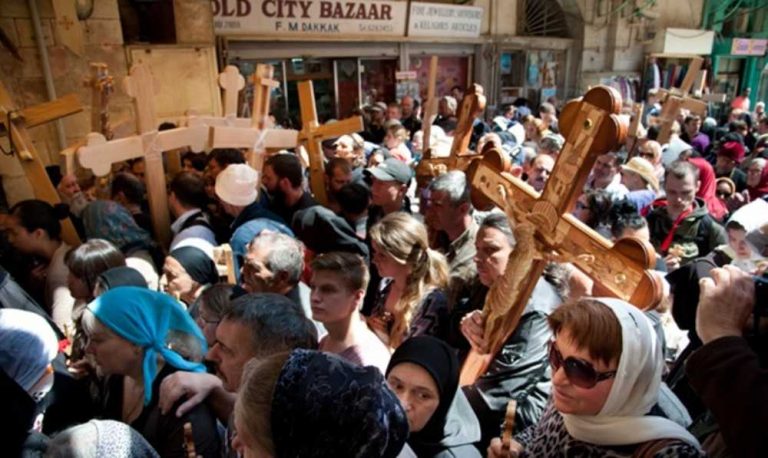
- Morning and midday Stations of the Cross processions along the Via Dolorosa, led by different Christian traditions.
- Large outdoor crowds move through the alleyways of the Old City, often carrying crosses or banners.
- Afternoon liturgies of the Lord’s Passion in Catholic and Protestant churches.
Holy Saturday & Easter Sunday, 4–5 April 2026 (Western)
- On Saturday evening: Easter Vigils with candles, readings, and the first “Alleluia” of Easter.
- On Sunday: sunrise or morning resurrection services, joyful processions, and festive bells across the city.
Holy Fire & Orthodox Easter, 11–12 April 2026
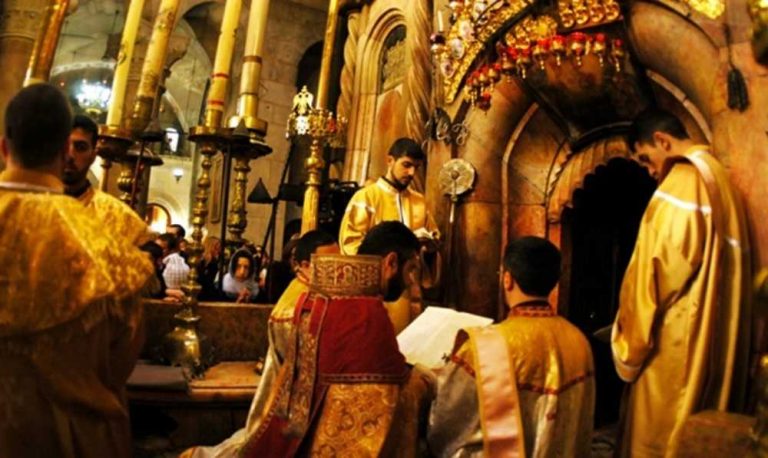
- Holy Fire ceremony (Orthodox Holy Saturday) - Traditionally centered inside and around the Church of the Holy Sepulcher, drawing huge crowds and a strong security presence.
- Orthodox Easter Sunday - Liturgies, processions, and family meals for Eastern Christian communities, with a distinct atmosphere and schedule from the previous week.
Between these dates, you’ll also find special tours, concerts, and cultural events, many of them listed closer to the time on the event calendar.
How to plan your Easter in Jerusalem 2026
1. Book accommodation very early
Easter + Passover means peak demand. Reserve your hotel or guesthouse months in advance, especially if you want to stay within walking distance of the Old City.
2. Use the official calendars
- Check the Passover in Jerusalem guide for the broader spring holiday atmosphere and parallel Jewish events.
- Keep an eye on the Jerusalem event calendar for updated 2026 Holy Week processions, tours, concerts, and family activities.
3. Plan your days by “zones” not by single sites
Because of crowds and security closures, it’s easier to think in areas:
- Mount of Olives & Gethsemane day -Sunrise viewpoint, churches, and walking routes down toward the Kidron Valley.
- Old City & Via Dolorosa day - Focus on processions, the Holy Sepulcher, and key stations of the cross.
- “Breather” day - Museums or markets away from the crowds, such as the Israel Museum, or food experiences in Mahane Yehuda Market.
4. Mobility & accessibility
- The Old City has many steps, cobblestones, and slopes. Comfortable, non-slippery footwear is essential.
- Some processions are very dense; if mobility is limited, choose smaller parish services or look for accessible viewpoints rather than being in the thick of the crowd.
- Public transport and taxis may change routes or schedules during holidays, allow extra time.
5. What to wear
- Spring weather can shift from cool mornings to warm afternoons, so dress in layers.
- Modest clothing (shoulders and knees covered) is expected in churches and holy sites.
- A light scarf or shawl is useful for both warmth and modesty as you move between different communities.
6. Eating & evenings
While the Old City calms down in the evenings, other parts of Jerusalem stay lively:
- Explore cafes, restaurants, and live music around the First Station complex, which is often a good choice for mixed groups and families.
- Remember that some eateries adjust menus for Passover (no bread, different pastries), while others stay “regular”, ask in advance if you have dietary needs.
7. Respectful behavior
- Follow instructions from stewards, police, and church ushers, especially during major processions and the Holy Fire ceremony.
- Keep noise and photography discreet inside churches, particularly during liturgy.
- Be prepared for emotionally charged atmospheres, for many people, this is a once-in-a-lifetime spiritual moment.
Western vs Orthodox Easter 2026 in Jerusalem, quick comparison
Both Easter periods are beautiful, but feel slightly different. Use this table to decide which week better suits your plans (or whether to stay for both).
| Aspect | Western Easter 2026 | Orthodox Easter 2026 |
|---|---|---|
| Main dates | Holy Week: 29 March–4 April 2026 Easter Sunday: 5 April 2026 | Holy Week: 6–11 April 2026 Orthodox Easter: 12 April 2026 |
| Key highlight | Good Friday processions along the Via Dolorosa, Easter Vigil & sunrise services. | Holy Fire ceremony on Holy Saturday, followed by Orthodox Easter liturgies. |
| Typical crowd level | Very busy, especially Good Friday & Easter Sunday. | Extremely dense around the Holy Sepulcher on Holy Fire day; busy but slightly more localized on Easter Sunday. |
| Main languages you’ll hear | Latin, English, Spanish, Italian, French, and many other European and Asian languages. | Greek, Arabic, Russian, Romanian, and other Eastern European languages, alongside English. |
| Best for | Those wanting traditional Catholic/Protestant Holy Week liturgies and structured pilgrimage programs. | Those drawn to Orthodox ritual, chanting, and highly symbolic ceremonies like the Holy Fire. |
| Trip-planning note | Overlaps more directly with the first days of Passover; expect extra pressure on hotels and transport. | Still within Passover week, but it's slightly easier to secure accommodation if you book early. |
FAQ, Easter in Jerusalem 2026
1. Do I need tickets or reservations for Easter services?
Most outdoor processions and many church services are free and open to the public, but some special masses or limited-capacity ceremonies require advance coordination through your church, tour organizer, or local Christian institutions. If you’re traveling with a group, ask your guide to check whether you need names or passes for specific liturgies.
2. Is it safe to walk around during Easter?
Jerusalem is heavily policed, and security is very visible during Easter and Passover. The atmosphere is generally calm but intense and crowded. As always, stay updated via local news, follow instructions from authorities, keep to main routes, and give yourself extra time for security checks when entering the Old City or major sites.
3. Can families with children enjoy Easter in Jerusalem?
Yes, but choose your moments. Palm Sunday, smaller parish celebrations, and gentle morning walks on the Mount of Olives are often easier with children than the densest Good Friday or Holy Fire crowds. Build in rest time, bring snacks and water, and consider staying within walking distance of your key churches.
4. What about people with limited mobility?
The Old City’s steps and cobblestones can be challenging, especially when crowded. Many churches have at least some accessible areas, but not all routes or chapels are step-free. If mobility is an issue, focus on fewer, more meaningful stops, use taxis where possible, and ask guides or hotels to recommend more accessible viewing points for processions.
5. What should I budget for an Easter 2026 visit?
Accommodation and flights are usually the biggest expenses. Prices rise over Easter and Passover, so booking early helps. Many major churches and holy sites are free to enter. Guided tours, special events, and museum visits add to the cost, but you can balance them with free walks, viewpoints, and self-guided routes.
6. Do I have to choose between Western and Orthodox Easter?
No, if time and budget allow, staying for both is a remarkable experience. If you must choose, consider which tradition is closer to your own, and which ceremonies you want to prioritize: Via Dolorosa & Western services, or Holy Fire & Orthodox liturgies.
7. How far in advance will detailed 2026 schedules be available?
Churches and local authorities usually finalize public schedules a few weeks to a couple of months before Easter. Check again as the dates approach, and use the Jerusalem event calendar plus your church, tour company, or guesthouse for the latest updates.
Plan your Easter 2026 in Jerusalem
Jerusalem at Easter is powerful, busy, and unforgettable. To make the most of it:
- Browse the latest listings and ceremonies on the Jerusalem event calendar.
- Explore more background on Easter and other holidays in the Holidays and Festivals in Jerusalem overview.
- Use the main Easter in Jerusalem article to deepen your understanding of the holy sites and traditions.
- Check the culture & events guide list for more seasonal articles and suggestions around your dates.
Stay tuned for updates: As Easter 2026 approaches, keep checking back for new events, tours, and special services. With a bit of advance planning, your time in Jerusalem can be both spiritually meaningful and surprisingly smooth.

